
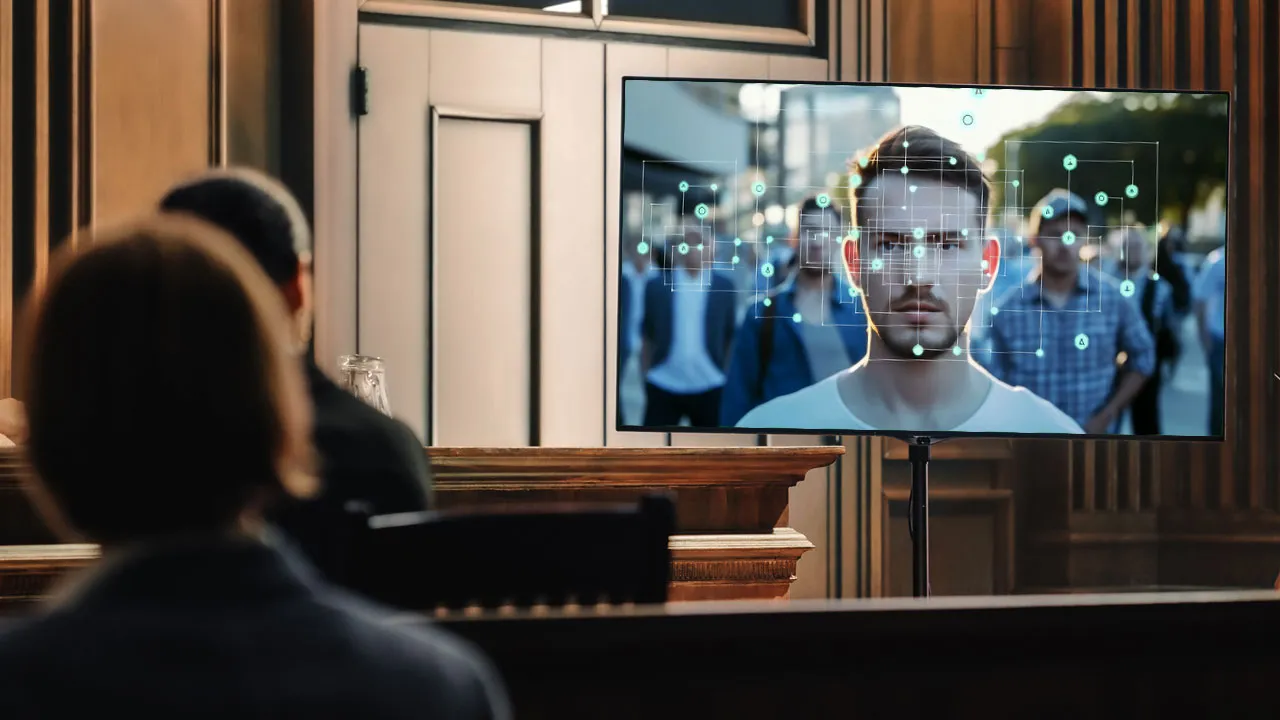
The courtroom has always been a place where facts and evidence meet the rule of law. But in the digital age, a new challenge is emerging— deepfakes. These hyper-realistic AI-generated videos, audios, and images mimic reality so convincingly that even trained eyes and ears can be deceived. While deepfakes have been popularized in online misinformation, their implications reach far deeper when viewed through a legal lens. If manipulated digital evidence were ever introduced in court, it could redefine how justice is served.
The Growing Role of Digital Evidence
Modern trials often rely heavily on digital evidence. Surveillance footage, video recordings, intercepted calls, and forensic photographs are standard parts of criminal and civil cases. Courts view such evidence as highly persuasive, especially in jury trials. Unlike oral testimony, video or audio carries an air of objectivity and authority.
Deepfakes, however, undermine this perception. They raise the alarming possibility that incriminating evidence could be fabricated, exculpatory evidence could be manufactured, and genuine recordings could be challenged as fakes. This shakes the very foundation of evidentiary trust that the justice system relies on.
Legal Admissibility of Deepfake Evidence
Under most legal systems, only evidence that passes certain authenticity standards is admissible. For example, under the Federal Rules of Evidence (Rule 901 in the U.S.), evidence must be properly authenticated before being accepted in court. With deepfakes, authentication becomes a complex technical endeavor.
Courts may increasingly require:
- Expert Testimony from digital forensic analysts to verify authenticity.
- Chain of Custody Proofs to trace media from creation to court submission.
- Technological Certification such as metadata analysis, watermarking, or blockchain verification at the time of recording.
Without these safeguards, judges and juries face the risk of being persuaded by falsified material designed to exploit emotional or visual appeal.
Challenges for Judges and Juries
Deepfakes create two dangerous outcomes in courtrooms:
- False Convictions or Acquittals
A fabricated video could wrongly place someone at a crime scene or falsely capture them confessing. A jury, persuaded by seemingly irrefutable audiovisual proof, could convict an innocent person—or conversely, acquit the guilty if counter-deepfakes are introduced. - The “Liar’s Dividend”
Ironically, even genuine evidence might lose significance. A guilty defendant could dismiss legitimate video or audio as a fake, sowing doubt where none should exist. This defense strategy—raising suspicion about all digital media—could erode the probative value of otherwise reliable evidence.
Legislative and Judicial Responses
While technology races ahead, laws are struggling to keep up. Some jurisdictions have criminalized the malicious creation and distribution of deepfakes, particularly in defamation, fraud, and harassment contexts. However, their admissibility in court remains underdeveloped.
Legal experts propose several reforms:
- Clear Rules on Digital Evidence Authentication to set higher standards for admitting audiovisual material.
- Mandatory Disclosure by Prosecution and Defense of expert examinations proving evidence authenticity.
- Special Training for Judges and Lawyers to recognize how deepfakes can be misused in litigation.
- International Standards for handling cross-border cases involving deepfake evidence.
Courts may also start relying more heavily on expert panels of digital forensic professionals, similar to how DNA or handwriting experts are used today.
Technology as a Safeguard
The legal community cannot alone safeguard against deepfakes; science and law must collaborate. AI-powered detection tools are being developed to uncover subtle flaws in manipulated media. Blockchain-based digital evidence recording, where proof of authenticity is secured the moment evidence is captured, could soon become a legal requirement.
However, detection technologies face the same arms race as the creation of deepfakes—the more advanced detectors become, the more sophisticated deepfakes will get. Courts must prepare for this ongoing struggle by keeping evidentiary standards dynamic and resilient.
Conclusion
Deepfakes represent a direct threat to the evidentiary foundations of the justice system. By challenging authenticity, they endanger fairness, increase the chances of wrongful judgments, and erode public trust in courts. To prevent technology from fooling the justice system, the law must evolve rapidly. Stricter authentication rules, expert oversight, and forensic advancements are vital to preserve truth in trials.
Courts must remain vigilant, recognizing that justice cannot rest solely on what is seen or heard—it must rest on what can be proven beyond manipulation.